The landscape of orthodontic practices is undergoing significant transformation due to advancements in automated scheduling technologies. These innovations, particularly the integration of artificial intelligence and mobile applications, are reshaping how appointments are managed. With features that enhance patient engagement and streamline operations, practices can now operate more efficiently. However, the implications of these changes extend beyond mere convenience, raising questions about the future of patient-practitioner relationships and the overall orthodontic experience.
Key Takeaways
- Recent advancements in AI are enhancing predictive scheduling, allowing practices to anticipate patient needs and optimize appointment slots effectively.
- Mobile apps are increasingly being integrated for scheduling, improving patient engagement and convenience in managing appointments.
- Telehealth developments are facilitating virtual consultations, expanding scheduling options and accessibility for patients.
- Data analytics is empowering practices to optimize staff allocation and enhance operational efficiency through insights from automated systems.
- Innovations in automated reminders and confirmations are fostering better communication and reducing no-show rates in orthodontic practices.
The Evolution of Scheduling Technologies in Orthodontics
As advancements in technology have transformed various industries, the field of orthodontics has not been left behind, particularly in the area of scheduling. The evolution of scheduling technologies in orthodontics has shifted from manual appointment books to sophisticated software systems. Initially reliant on paper, orthodontic practices faced challenges with inefficiencies and errors. The introduction of automated scheduling for orthodontic practices eliminated many of these issues, streamlining the appointment management process. This technological progression has allowed practices to optimize their schedules, reduce no-show rates, and enhance patient communication. Additionally, these systems foster a sense of belonging by creating a more organized environment, ultimately improving the patient experience. As technology continues to evolve, further innovations in scheduling are anticipated, promising even greater efficiency and accessibility.
Benefits of Automated Scheduling for Orthodontic Practices
Embracing automated scheduling for orthodontic practices offers numerous advantages that enhance operational efficiency and patient satisfaction. By streamlining appointment management, practices can allocate resources more effectively and reduce administrative burdens. This technology not only optimizes scheduling but also fosters stronger relationships between practitioners and patients.
- Improved patient engagement: Automated reminders and confirmations keep patients informed and reduce no-shows.
- Time savings: Staff can dedicate more time to patient care rather than administrative tasks, enhancing the overall experience.
- Increased accessibility: Patients can schedule appointments at their convenience, promoting a sense of autonomy and belonging within their care journey.
These benefits collectively contribute to a thriving practice, ensuring that both orthodontists and patients experience a more harmonious relationship.
Key Features to Look for in Automated Scheduling Solutions
Automated scheduling for orthodontic practices greatly enhances operational efficiency, making it vital for practitioners to select the right solution that aligns with their needs. Key features to evaluate include user-friendly interfaces that facilitate quick adaptation by staff and patients alike. Integration capabilities with existing practice management software are also essential, ensuring seamless data flow. Additionally, customizable appointment reminders through various communication channels—such as SMS, email, or app notifications—can markedly reduce no-show rates. A robust reporting system is beneficial for tracking appointment trends and optimizing schedules. Finally, look for solutions that offer real-time availability updates, allowing for quick rescheduling and improved patient satisfaction. Choosing the right automated scheduling solution can lead to a more organized and efficient orthodontic practice.
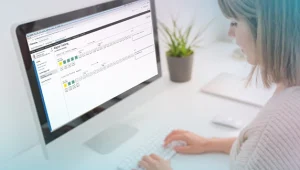
Case Studies: Successful Implementation of Automated Scheduling
Orthodontic practices have experienced transformative outcomes through the successful implementation of automated scheduling systems. By leveraging technology, these practices have enhanced patient experiences and streamlined operations. Case studies reveal notable successes:
- Increased Patient Retention: Practices reported a significant rise in patient appointments due to easier scheduling processes, fostering loyalty.
- Enhanced Staff Efficiency: Administrative burdens were reduced, allowing staff to focus on patient care rather than manual scheduling tasks.
- Data-Driven Insights: Automated systems provided valuable analytics, enabling practices to optimize appointment slots based on patient preferences and attendance patterns.
These examples demonstrate that automated scheduling for orthodontic practices not only improves operational efficiency but also cultivates a sense of community among patients and staff.
Future Trends in Automated Scheduling for Orthodontic Practices
The landscape of automated scheduling for orthodontic practices is poised for significant advancements in the coming years. As technology continues to evolve, practices will likely see increased integration of artificial intelligence, enabling predictive scheduling that accommodates patient preferences and treatment timelines more effectively. Moreover, mobile apps are expected to enhance patient engagement, allowing for seamless rescheduling and appointment reminders. Telehealth capabilities may also play an essential role, facilitating virtual consultations that streamline scheduling processes. Additionally, data analytics will empower practices to optimize staff allocation and reduce wait times. These trends not only promise to improve operational efficiency but also foster a more connected and personalized experience for patients, reinforcing a sense of belonging within the orthodontic community.
Frequently Asked Questions
How Much Does Automated Scheduling Software Typically Cost for Orthodontic Practices?
Automated scheduling software for orthodontic practices typically costs between $100 to $500 per month, depending on features and practice size. This investment streamlines operations, enhances patient experience, and can considerably improve overall practice efficiency.
Can Automated Scheduling Integrate With Existing Practice Management Systems?
Automated scheduling can seamlessly integrate with existing practice management systems, enhancing operational efficiency. This integration allows orthodontic practices to streamline workflows, improve patient experience, and maintain accurate records, ultimately fostering a more organized and productive environment.
What Training Is Required for Staff to Use Automated Scheduling Tools?
Staff training for automated scheduling tools typically includes extensive workshops, hands-on practice sessions, and ongoing support. Familiarization with software interfaces and troubleshooting methods enhances efficiency, ensuring a smoother shift and better patient management within orthodontic practices.
How Does Automated Scheduling Improve Patient Communication in Orthodontics?
Automated scheduling enhances patient communication in orthodontics by providing timely reminders, streamlining appointment confirmations, and enabling easy rescheduling. This fosters better engagement and satisfaction, ultimately contributing to a more cohesive patient experience in orthodontic care.
Are There Any Privacy Concerns With Automated Scheduling Systems?
Privacy concerns with automated scheduling systems often arise due to data security vulnerabilities. Patients may worry about personal information exposure, necessitating orthodontic practices to implement robust security measures to safeguard sensitive data effectively.
Conclusion
To sum up, the integration of advanced technologies in automated scheduling is revolutionizing orthodontic practices. By leveraging artificial intelligence and mobile applications, practitioners can enhance patient engagement, streamline operations, and improve overall experiences. As telehealth continues to expand access to care, the future of orthodontic scheduling looks promising. Embracing these innovations not only fosters stronger patient-practitioner relationships but also positions practices for greater efficiency and adaptability in an evolving healthcare landscape.
You May Also Like to Read: