Homeowners must recognize the primary causes of roof failure to protect their investment. Factors such as inadequate ventilation, poor installation, and neglect can greatly compromise roof integrity. Additionally, environmental elements and age contribute to deterioration. Understanding these issues is essential for effective maintenance and prevention strategies. However, many homeowners remain unaware of the specific consequences associated with each cause. Identifying these pitfalls can lead to proactive measures that guarantee a roof’s longevity and performance.
Key Takeaways
- Inadequate ventilation can lead to heat and moisture buildup, causing material degradation and roof failure.
- Poor installation practices, like misaligned shingles, significantly increase the risk of leaks and structural compromise.
- Neglected maintenance allows debris to accumulate, trapping moisture and promoting mold growth on roofing materials.
- Age-related deterioration weakens roofing materials, making them more susceptible to damage from weather and environmental factors.
- Improper drainage can result in water pooling, exacerbating wear and leading to potential leaks and structural issues.
Top 5 Common Roof Failure Causes Every Homeowner Should Know
When homeowners neglect the underlying issues affecting their roofs, they may inadvertently invite significant structural problems. The top five common roof failure causes include inadequate ventilation, which leads to heat and moisture buildup, resulting in material degradation. Poor installation practices often compromise roof integrity, leading to leaks and sagging. Additionally, lack of maintenance allows debris accumulation, fostering mold growth and trapping moisture. Age-related deterioration is another prevalent cause, as roofing materials naturally weaken over time, making them more susceptible to damage. Finally, improper drainage can cause water pooling, exacerbating wear and leading to potential leaks. Understanding these ordinary roof failure causes is essential for homeowners to guarantee the longevity and safety of their roofs.
How Weather Contributes to Common Roof Failure Causes
Weather plays a significant role in the deterioration of roofing systems, as various environmental factors can exacerbate common roof failure causes. Extreme temperatures, both high and low, can lead to material expansion and contraction, resulting in cracks and compromised structural integrity. Additionally, prolonged exposure to moisture from rain, snow, or humidity can promote mold growth and wood rot, weakening the roof’s framework. High winds can dislodge shingles and accelerate wear, while hail impacts can cause immediate damage, leading to leaks. Moreover, UV radiation can degrade roofing materials, diminishing their protective qualities over time. Understanding these weather-related influences empowers homeowners to take proactive measures, ultimately safeguarding their roofs against potential failures.
Why Poor Installation Can Ruin Your Roof
Poor installation greatly undermines the longevity and effectiveness of roofing systems, as improper techniques can introduce a range of vulnerabilities. Common roof failure causes linked to substandard installation include inadequate sealing of seams, misalignment of shingles, and improper nailing patterns. These errors can lead to water infiltration, which compromises structural integrity and promotes mold growth. Additionally, incorrect ventilation installation may cause excessive heat buildup, further degrading roofing materials. Homeowners must guarantee that qualified professionals perform installations, adhering to manufacturer specifications and local building codes. A well-installed roof not only enhances durability but also contributes to energy efficiency, ultimately safeguarding the home’s value. Understanding these risks empowers homeowners to make informed decisions regarding their roofing needs.
How Neglecting Maintenance Causes Roof Issues
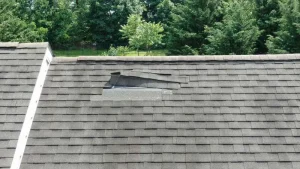
Neglecting regular maintenance greatly contributes to a variety of roof issues that can escalate into costly repairs. Over time, debris accumulation, such as leaves and branches, can trap moisture, leading to mold growth and shingle deterioration. Additionally, failing to inspect and clear gutters can result in water backup, causing leaks and structural damage. Small issues, like missing or damaged shingles, often go unnoticed without routine checks, allowing them to worsen and compromise the roof’s integrity. Moreover, neglecting to address flashing and sealant deterioration can expose vulnerable areas to water intrusion. Homeowners who prioritize maintenance not only enhance their roof’s lifespan but also minimize the risk of encountering ordinary roof failure causes that could greatly impact their property.
Preventing Common Roof Failures: Essential Tips
A proactive approach to roof maintenance can greatly reduce the likelihood of common roof failure causes. Regular inspections, ideally twice a year, allow homeowners to identify early signs of wear, such as cracked shingles or lifted flashing. Keeping gutters clear of debris guarantees proper drainage, preventing water pooling that can lead to leaks. Additionally, addressing overhanging tree branches minimizes the risk of damage from falling limbs. It is vital to ascertain adequate ventilation in the attic, as this helps regulate temperature and moisture levels, reducing the risk of mold growth. Finally, investing in quality materials during roof repairs or replacements enhances longevity, considerably mitigating future failures. By implementing these essential tips, homeowners can foster a more resilient roofing system.
Frequently Asked Questions
How Can I Identify Early Signs of Roof Failure?
To identify early signs of roof failure, one should inspect for missing shingles, water stains, sagging areas, and granule loss. Regular assessments can help mitigate potential issues, ensuring timely repairs and prolonged roof lifespan.
Are Certain Roofing Materials More Prone to Failure?
Certain roofing materials, such as asphalt shingles and wood shakes, tend to be more prone to failure due to environmental factors and deterioration. Homeowners should consider durability and maintenance when selecting roofing materials to minimize risks.
What Are the Costs Associated With Roof Repairs?
Costs associated with roof repairs vary greatly, generally ranging from $300 to $1,500, depending on damage severity, roofing materials, and labor. Homeowners should budget accordingly to guarantee prompt and effective maintenance of their roofs.
How Often Should I Have My Roof Inspected?
Homeowners should have their roofs inspected at least once a year, ideally before and after severe weather. Regular inspections help identify potential issues early, reducing the risk of common roof failure causes and costly repairs.
Can Roof Failures Affect Home Insurance Coverage?
Roof failures can markedly impact home insurance coverage. Insurers may deny claims or increase premiums due to unresolved issues, highlighting the importance of regular inspections and addressing common roof failure causes to maintain coverage and protect investments.
Conclusion
To summarize, understanding the common causes of roof failure is essential for homeowners aiming to preserve their property’s integrity. Factors such as inadequate ventilation, poor installation, and lack of maintenance can greatly compromise roofing systems. Additionally, environmental influences and age-related wear exacerbate these issues. By recognizing these risks and implementing preventive measures, homeowners can mitigate potential damages, ensuring a durable and reliable roofing structure that withstands the test of time and weather conditions.
You May Also Like To Read: