In the competitive landscape of tech events, effective branding can set a gathering apart. A cohesive visual identity is vital, as it speaks directly to the audience’s expectations. By crafting a unique theme and strategic messaging, organizers can create a memorable experience. The choice of vibrant colors and engaging typography plays a pivotal role. Yet, the journey doesn’t end there; understanding how to implement these elements strategically is essential for lasting impact. What comes next in this branding evolution?
Key Takeaways
- Define a unique theme that reflects your event’s core values and objectives to engage attendees effectively.
- Choose a cohesive color palette and typography that resonate with the event’s essence for visual consistency.
- Utilize digital tools like graphic design software and social media platforms to streamline branding efforts and maintain consistent messaging.
- Incorporate storytelling in your branding to evoke emotions and create a memorable experience for attendees.
- Conduct a post-event assessment to gather feedback and analyze engagement metrics for future branding improvements.
Why Event Branding Matters
In the domain of event planning, the power of branding emerges as a critical force, shaping perceptions and enhancing experiences. Effective event branding creates a cohesive identity, allowing attendees to feel a sense of belonging and connection. For beginners venturing into this area, understanding foundational event branding design tips is essential. Visual elements like logos, color schemes, and typography should resonate with the event’s theme, capturing attention and fostering engagement. Consistency across all materials—from invitations to signage—reinforces the brand message, making it memorable. Furthermore, storytelling through branding can evoke emotions, inviting participants into a shared journey. By mastering these event branding design tips for beginners, planners can craft immersive experiences that linger long after the event concludes.
Develop a Unique Theme and Messaging Strategy for Your Event
Creating a memorable event requires more than just visual elements; it hinges on a unique theme and a well-defined messaging strategy. A compelling theme serves as the backbone of the event, weaving together experiences and narratives that resonate with attendees. It should reflect the core values and objectives of the event, inviting participants to engage on a deeper level.
Complementing this theme, a strategic messaging plan articulates the event’s purpose, fostering a sense of community among attendees. Clear, authentic messaging encourages connection, ensuring everyone feels included and valued. By thoughtfully developing both a distinctive theme and a cohesive messaging strategy, organizers can create an inviting atmosphere that leaves a lasting impact, embodying essential event branding design tips for beginners.
Choose Effective Visual Elements for Event Branding
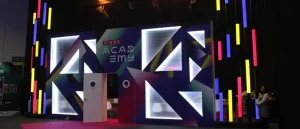
While the theme sets the foundation, effective visual elements bring an event to life, enchanting attendees from the moment they arrive. Color palettes, typography, and imagery should resonate with the event’s essence, creating an inviting atmosphere. Bold colors can evoke excitement, while softer tones foster a sense of calm and connection. Typography, when chosen thoughtfully, communicates the event’s character, guiding attendees through printed materials and digital platforms alike. Imagery—whether photographs, illustrations, or graphics—should reflect the event’s message, engaging participants on a visual level. Effective event branding design tips for beginners emphasize consistency across all visual elements, crafting a cohesive experience that fosters belonging and enhances the overall impact of the event.
Use Digital Tools for Event Branding Success
Harnessing the power of digital tools can dramatically elevate the branding of any tech event. By integrating innovative software and platforms, event organizers can create a cohesive and engaging identity that resonates with attendees. Utilizing these tools not only streamlines the design process but also enhances collaboration among teams.
- Graphic Design Software: Tools like Canva or Adobe Creative Suite facilitate stunning visuals that embody the event’s theme.
- Social Media Management: Platforms such as Hootsuite or Buffer guarantee consistent messaging across channels, fostering community engagement.
- Event Registration Platforms: Services like Eventbrite simplify attendee management and reinforce branding through customized registration pages.
With these digital resources, beginners can effectively navigate the intricate landscape of event branding design tips for beginners.
Assess Your Branding Strategy After the Event
Evaluating the effectiveness of a branding strategy after a tech event is essential for future success. This process involves gathering feedback from attendees, analyzing engagement metrics, and reviewing visual elements that resonated. By mapping out what worked and what didn’t, one can identify strengths and weaknesses within the branding approach.
Visual storytelling, from logos to color schemes, should be scrutinized for their impact on audience connection. Did the branding foster a sense of belonging among participants? Insights gleaned can inform adjustments for future events, ensuring they resonate more deeply. Ultimately, this reflective assessment transforms every event into a stepping stone toward a more cohesive and appealing brand identity, aligning with the desires of a community keen for connection.
Frequently Asked Questions
How Do I Budget for Event Branding Materials?
To budget for event branding materials, one must assess goals, prioritize essential items, research costs, and allocate funds accordingly. Visualize the desired impact, ensuring each element resonates with the audience’s sense of belonging and engagement.
What Are Some Common Mistakes in Event Branding?
Common mistakes in event branding include inconsistent messaging, neglecting audience engagement, poor visual cohesion, and inadequate research on target demographics. These pitfalls can undermine the event’s impact, leaving attendees feeling disconnected rather than embraced.
How Can I Measure Branding Success During the Event?
Measuring branding success during an event involves tracking attendee engagement, gathering feedback, and analyzing social media interactions. Visual impressions, participant connections, and overall atmosphere also reveal the effectiveness of branding strategies in fostering community.
What Role Does Social Media Play in Event Branding?
Social media amplifies event branding by fostering community engagement, showcasing real-time updates, and creating visually appealing content. It connects attendees, enhances visibility, and cultivates a sense of belonging, essential for memorable experiences and lasting impressions.
How Can I Incorporate Sustainability Into Event Branding?
Incorporating sustainability into event branding involves using eco-friendly materials, promoting digital engagement, and highlighting green initiatives. This approach fosters a sense of community, appealing to attendees’ values while visually communicating commitment to a healthier planet.
Conclusion
In the domain of tech event branding, a well-crafted identity can transform an ordinary gathering into an unforgettable experience. By focusing on cohesive themes, vibrant visuals, and strategic messaging, organizers can create a lasting impact. Embracing digital tools simplifies the design process, while post-event evaluations pave the way for continuous improvement. Ultimately, a thoughtful branding strategy not only captivates the audience but also fosters deeper connections, ensuring that each event resonates long after the final presentation.
You May Also Like To Read: